
Issues We Face
MAKING MARYLAND AFFORDABLE
Maryland has been ranked one of the most expensive states to live in. We need to bring costs down and make our state more affordable for families and small businesses.
-
Energy costs are a major driver. Utility bills are so high that many Marylanders are forced to choose between paying for electricity and paying rent or a mortgage.
-
We need relief—and quickly. That means going beyond short-term rebates and grants.
-
We have to address the root of the problem: a lack of sufficient, in-state energy supply and policies that shift costs onto households. By increasing in-state energy generation and fixing how costs are distributed, we can lower bills in a durable way—not just apply temporary fixes.
Energy
STOP SHIFTING ENERGY COSTS ONTO FAMILIES
⚠️ WHAT HAPPENED
For years:
-Utilities kept getting rate increases approved
-Massive new energy demand was added to the grid in part because of large energy users like data centers and the grid expansion/upgrade they required
-Infrastructure costs kept rising
=> Ordinary residents were expected to absorb the bill!
Now families across Maryland are struggling with soaring electric costs while politicians offer temporary rebates instead of working on the root cause and proposing real reforms
❌ WHAT ELSE WENT WRONG
We reduced reliable local generation without ensuring enough affordable replacement supply was ready
Maryland pursued an aggressive energy transition without adequate long-term planning
As demand increased, Maryland became more dependent on imported electricity through the PJM regional grid (Maryland now imports a substantial share of its electricity up to 35–40%) exposing families to rising energy costs and regional supply constraints.
Renewable energy is part of the future, but energy policy must also be reliable, affordable, and properly planned.
⚡WHO DECIDES? PJM?
We cannot increase demand, reduce reliable local generation, and become more dependent on imported electricity through the PJM grid without eventually driving costs higher
Maryland leaders may not control the regional market operated by PJM Interconnection —
but they absolutely helped decide who pays the costs.
And too often, those costs were shifted onto working families, retirees, homeowners, renters
👉 while large interests benefited.
⚖️ MY PRINCIPLE: PROTECT RATEPAYERS
I believe in a simple principle:
If large users or high-demand projects increase energy costs, they should pay for those underlying costs.
Not families already struggling with inflation, housing costs, food prices, rising utility bills.
🔧WHAT MUST CHANGE
-Stop shifting infrastructure costs onto residents
-Require data centers to pay their fair share
- One option is to apply a tariff to large loads or require data centers to provide for their own energy generation + contribute to the energy infrastructure they require
-Strengthen oversight on utility companies through the Maryland Public Service Commission
- Push back on unchecked rate increases, and demand utility rate transparency
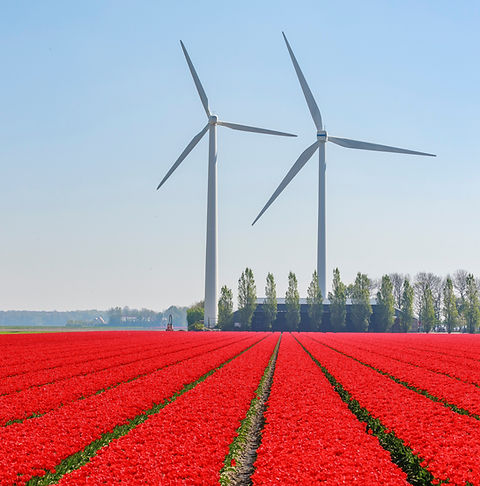
-Expand reliable and affordable in-state energy supply:
-Expand existing nuclear capacity, and support reliable gas-powered generation
-Pursue a balanced energy strategy focused on affordability, reliability, and long-term stability.
💬 CONCLUSION
Families should not be subsidizing the system through hidden costs in their electric bill.
In order to solve the problem long term and act on the root issue, we MUST reduce energy dependence and increase in-state generation.

Quality of Life
STOP FEE INCREASES
LOWER LIVING COSTS
-
Maryland living costs are very high and worsened by ramping inflation rates, high housing costs and ever increasing fees. In 2020, Maryland was among the top 10 states people left from with 55% moving outbound and the trend is not clearly reversing
-
Maryland also ranks 7th out of 52 regions on MERIC's cost-of-living index
Instead of mitigating costs for residents, the local government, year after year, has been increasing taxes.
-
I want to lower the cost of life for residents by lowering sales tax, lowering income tax and expanding the gas tax holiday to further help residents to adjust their finances to the worst inflation year on record
-
A recent bill passed in the Maryland state assembly increased local income tax (HB 319) and increased marylanders' utility costs (HB174)
-
Property taxes also increased with tax reassessment operated in the worst inflation year
Finally, Since around half the People leaving Maryland are above 55, a new tax credit was put in place to provide relief to retired individuals but the credit is capped and it might not be enough to keep retirees from leaving the state
Create Jobs
Strenghten Maryland Economy
HELP OUR SMALL AND MEDIUM SIZE BUSINESSES CREATE JOBS
Did you know Maryland is ranked among the 10 worst states for business friendliness in the nation (according to studies published by the Tax Foundation)?
-
We need to work on bringing solutions to this issue, as it is one that impacts so many local businesses striving to survive economically after two very difficult pandemic years. Small businesses are the backbone of our community they provide jobs and economic health to our county and district. However they were hard-hit by mandates and covid closures and they are still recovering. We need to help their recovery by limiting government regulations and lowering their taxes.
-
I propose to:
-
Streamline licencing and permitting
-
allowing the creation of small business at a maximun cost of $100 and removing the $300 annual report cost due for small business
-
giivng a 199 A 20% deduction for small businesses like it is the case at the federal level
-
allow a tax credit for job creation and ease conditions to qualify for this tax credit


Issues We Face
MAKE MARYLAND AFFORDABLE - BRING COSTS DOWN
The Environment
THE STAKES ARE HIGH
Helene is proud to support changes for cleaner air and transition to clean energy but taking into account the needs of residents and pragmatic solutions that would include common sense approach and consultation or dialogue with partners.
One thing to consider is that clean energy sources are rapidly evolving and could include hydrogen and nuclear powered energy. Some countries like France, generate roughly 70% of their electricity using nuclear energy, and we can inspire ourselves from them. Especially now that treatment of waste has greatly improved through recycling and glassification (vitrification): 95% of uranium and 1% plutonium is now recycled and the remaining 4% is reprocessed through glassification.
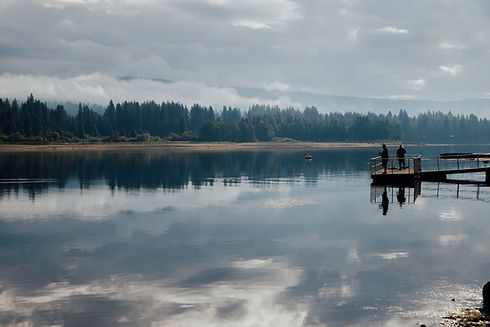
A particular concern is the protection of the Chesapeake Bay, in paticular combatting the nitrogen and chemical contaminants (like mercury) of the Chesapeake region. Maryland has to keep doing its part, but also needs to induce other partners such as PA, VA, NJ, West VA to step up and do more to clean up the Chesapeake Bay. Helene will fight against any effort to divert funds from the Chesapeake Bay Foundation